

Articles & Questions
Ego vs. Self-Confidence: The Key to Self-Awareness and Stronger Relationships
We often confuse ego with self-confidence, yet they’re worlds apart. Ego, fueled by insecurity, blinds us to our flaws and distances us from others. It kills self-awareness, leading us to push away relationships, opportunities, and even our growth.
Self-confidence, on the other hand, is grounded in knowing who you are. It’s the quiet understanding of your strengths and limitations, allowing you to grow and connect authentically. When you let go of ego and build genuine confidence, you foster deeper relationships, stronger leadership, and lasting self-awareness.
Which do you choose to nurture?

مقالات و أسئلة
الفرق بين الأنا والثقة بالنفس: مفتاح الوعي الذاتي والعلاقات الأقوى
كثيراً ما نخلط بين الأنا والثقة بالنفس، لكن الفارق بينهما كبير. الأنا، التي يغذيها الشعور بعدم الأمان، تعمينا عن عيوبنا وتبعدنا عن الآخرين. إنها تقتل الوعي الذاتي، فتجعلنا نخسر العلاقات والفرص وحتى نمونا.
أما الثقة بالنفس فتعتمد على معرفة من أنت. إنها الفهم الهادئ لقدرات والحدود، مما يتيح لك النمو والتواصل بصدق. عندما تتخلى عن الأنا وتبني ثقة حقيقية، ستبني علاقات أعمق، قيادة أقوى، ووعياً ذاتياً مستداماً.
أيّهما ستختار أن تنمي؟

Resilience vs. Stubbornness: Bending Without Breaking
Imagine a tree in a strong wind. The resilient tree bends gracefully, moving with the gusts but never snapping. This is resilience—adapting to challenges, learning, and growing stronger with each storm. In contrast, stubbornness is like a rigid branch that refuses to move. It stands firm, but under enough pressure, it breaks.
Resilience means staying true to your values but adjusting your approach. Stubbornness, however, clings to one way, even when it no longer serves. By embracing resilience, we grow through life’s winds—stronger, wiser, and still whole.
Are you bending, or are you about to break?

المرونة مقابل العناد: الانحناء دون الانكسار
تخيّل شجرة في رياح قوية. الشجرة المرنة تنحني برشاقة، تتحرك مع الرياح لكنها لا تنكسر. هذه هي المرونة—التكيف مع التحديات، التعلم، والنمو قوة مع كل عاصفة.
أما العناد فهو مثل غصن صلب يرفض الحركة. يقف صامداً، لكن تحت الضغط الشديد ينكسر.
المرونة تعني أن تظل متمسكاً بقيمك، لكن مع تعديل نهجك. أما العناد فيتمسك بطريقة واحدة حتى لو لم تعد نافعة. باحتضان المرونة، ننمو عبر رياح الحياة—أقوى، أحكم، وبقلب سليم.
هل أنت ممن ينحني أم على وشك الانكسار؟
Why We Must Differ from Blind Loyalty
Loyalty is a strong bond—it connects us to people, teams, or values. But blind loyalty is like following a map without checking if the terrain has changed. Healthy loyalty means supporting others while also staying alert.
Are you following out of trust, or out of habit?
In the end, true loyalty is one that allows us to question, learn, and grow together.

لماذا يجب أن نختلف عن الولاء الأعمى
الولاء هو رابط قوي، يربطنا بالأشخاص أو الفرق أو القيم. لكن الولاء الأعمى يشبه اتباع خريطة دون التحقق مما إذا كانت التضاريس قد تغيّرت. الولاء الصحي يعني دعم الآخرين مع البقاء يقظين.
هل تتبع بدافع الثقة أم بدافع العادة؟
في النهاية، الولاء الحقيقي هو الذي يسمح لنا بالتساؤل والتطور معاً
Ambition: When It Helps and When It Harms
Ambition is like fire: it can warm you and light your path, or, unchecked, it can burn out of control.
When ambition helps, it pushes you to grow. You learn new skills that elevate your career, launch projects that solve real problems, and inspire others. It’s driven by purpose, fostering fulfillment.
When ambition harms, it’s fueled by ego. You chase titles, seek validation, or push yourself to exhaustion, sacrificing relationships or well-being.
Now pause and reflect: Is your ambition aligned with what truly matters? Are you building something meaningful or chasing something empty?
The key is balance—let ambition push you forward, but ensure it doesn’t push aside what matters most.
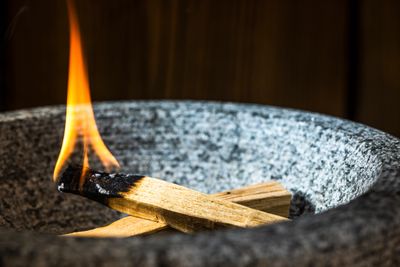
الطموح مثل النار: يمكن أن يدفئك وينير طريقك، أو إذا لم يكن تحت السيطرة، قد يحترق بلا حدود.
عندما يساعد الطموح، يدفعك للنمو. تتعلم مهارات جديدة، تطلق مشاريع ذات معنى، وتُلهم الآخرين. إنه مدفوع بالهدف، مما يغذي الرضا.
أما عندما يؤذي الطموح، يكون مدفوعاً بالأنا. تسعى وراء الألقاب وتطلب التقدير أو تدفع نفسك للإرهاق، فتضحي بالعلاقات أو الصحة.
الآن، توقف وتأمل: هل طموحي متوافق مع ما يهم حقاً؟ هل أبني شيئاً ذا معنى أم ألاحق شيئاً فارغاً؟
المفتاح هو التوازن—دع الطموح يدفعك للأمام، ولكن تأكد من أنه لا يزيح جانباً ما هو أهم

The Fine Line Between Empathy and People-Pleasing
Empathy is like offering a drink while ensuring your own cup is full. When we empathize, we listen deeply, understand others, and offer support—all while respecting our own boundaries. People-pleasing, in contrast, means pouring ourselves out—seeking approval by sacrificing our needs. The difference is clear: empathy uplifts both you and others, while people-pleasing diminishes you. The key is balance.
Ask yourself: am I caring for others while staying true to myself?
Let your empathy be a bridge—not a sacrifice. In the end, empathy means we care—without losing ourselves.
العنوان: الخط الفاصل بين التعاطف وإرضاء الآخرين
التعاطف يشبه أن تقدم شراباً لشخص مع التأكد أن كأسك ممتلئ. عندما نتعاطف، نصغي بعمق، نفهم الآخرين، ونقدم الدعم، كل ذلك مع الحفاظ على حدودنا. أما إرضاء الآخرين، فيعني أن نفرغ كأسنا سعياً وراء القبول، على حساب احتياجاتنا. الفرق واضح: التعاطف يرفع كلاً منّا والآخرين، بينما إرضاء الآخرين يقلل منك. المفتاح هو التوازن.
اسأل نفسك: هل أهتم بالآخرين مع البقاء وفياً لنفسي؟
دع تعاطفك يكون جسراً، وليس تضحية. في النهاية، التعاطف يعني أننا نهتم—دون أن نفقد أنفسنا.
How to Distinguish Between Healthy Self-Critique and Self-Doubt
Healthy self-critique is an inner voice that highlights how you can improve. It offers constructive feedback and encourages growth. Self-doubt, on the other hand, is the voice that tells you not to try, focusing on your shortcomings and making you feel stuck.
Think of it like a mountain climb. Healthy self-critique is the wise guide who points out a better foothold and encourages you to keep climbing. Self-doubt is the fearful echo that warns you you’ll slip. One guides you upward; the other keeps you frozen.
To distinguish them, ask: Does this voice give me solutions, or just fear?
Healthy critique points to actions; self-doubt only stops you. In conclusion, trust the guide who helps you improve. Quiet the echo that holds you back.
كيف تميّز بين النقد الذاتي الصحي والشك الذاتي
النقد الذاتي الصحي هو صوت داخلي يوضّح لك كيف تتحسّن، يقدم لك ملاحظات بناءة ويشجعك على النمو. أما الشك الذاتي، فهو الصوت الذي يمنعك من المحاولة، ويركز على العيوب ويشعرك بأنك عالق.
تخيل أنك تتسلق جبلاً. النقد الذاتي الصحي هو المرشد الحكيم الذي يشير إلى موطئ قدم أفضل ويشجعك على المتابعة. الشك الذاتي هو الصدى الخائف الذي يحذرك من السقوط. أحدهما يرشدك للأعلى؛ والآخر يجعلك متجمداً.
لتمييزهما، اسأل نفسك: هل هذا الصوت يعطيني حلولاً أم مجرد خوف؟
النقد الصحي يشير إلى أفعال، بينما الشك الذاتي يوقفك. في الختام، ثق في المرشد الذي يساعدك على التحسن. أسكت الصدى الذي يعيقك.

Balancing Assertiveness and Aggression in Leadership
Assertiveness and aggression can sometimes look similar, but they lead down very different paths in leadership. Assertiveness is like a steady lighthouse—firm, clear, and guiding teams toward a goal. Aggression, on the other hand, is a storm—intense, disruptive, and often alienating those around you.
When we act assertively, we express our needs clearly and respect others’ perspectives. We stand up for our ideas without diminishing anyone else. Aggression, however, pushes others aside, creating fear and resistance. A leader who is assertive invites collaboration; a leader who is aggressive risks isolation.
In conclusion, great leadership balances confidence with kindness. By being assertive, you communicate strength without alienating your team. Find that balance—lead with clarity, respect, and a vision that uplifts everyone.
تحقيق التوازن بين الحزم والعدوانية في القيادة
الحزم والعدوانية قد تبدوان متشابهتين، لكنهما يقودان إلى مسارات مختلفة في القيادة. الحزم يشبه منارة ثابتة، واضحة، توجه الفريق نحو الهدف. أما العدوانية، فهي عاصفة، شديدة، ومُعطلة، وغالباً ما تنفر من حولك.
عندما نتصرف بحزم، نعبر عن احتياجاتنا بوضوح ونحترم وجهات نظر الآخرين. نحن نثبت أنفسنا دون أن نقلل من شأن أحد. أما العدوانية، فهي تدفع الآخرين جانباً، وتخلق الخوف والمقاومة. القائد الحازم يدعو إلى التعاون، أما القائد العدواني فيعزل نفسه.
في الختام، القيادة العظيمة توازن بين الثقة واللطف. عبر أن تكون حازماً، أنت تتواصل بقوة دون أن تنفر فريقك. ابحث عن هذا التوازن—قدّم الوضوح، والاحترام، والرؤية التي ترفع الجميع.
Site Content
Balancing healthy confrontation is better than avoidance.
Picture a storm on the horizon. Healthy confrontation is stepping outside with your umbrella—prepared, confident, and composed. You may get a little rain, but you move forward. Avoidance is running out with no coat, no umbrella, and no direction, leaving you drenched and stuck. Imagine an employee with a valuable idea who, instead of hiding, speaks up calmly to their boss. By being ready to face that conversation, they foster trust and growth.
Now, ask yourself: Are you stepping out prepared, or staying inside?
In the end, being ready to face challenges moves us all forward.

Site Content
التوازن بين المواجهة الصحية والتجنب أفضل.
تخيل عاصفة في الأفق. المواجهة الصحية هي أن تخرج بمظلتك—مستعداً، واثقاً، ومتزناً. قد تبتل قليلاً، لكنك تتقدم. أما التجنب، فهو أن تركض بلا معطف، بلا مظلة، وبلا وجهة، فتعلق تحت المطر. تخيل موظفاً لديه فكرة قيمة، وبدلاً من أن يخفيها، يتحدث بثقة مع مديره. عندما يكون مستعداً للمواجهة، يبني الثقة والنمو. الآن،
اسأل نفسك: هل تخرج مستعداً أم تبقى في الداخل؟
في النهاية، مواجهة التحديات ونحن مستعدون تدفعنا جميعاً للأمام
The Difference Between a Growth Mindset and a Fixed Mindset in Professional Success
The Difference Between a Growth Mindset and a Fixed Mindset in Professional Success
The Difference Between a Growth Mindset and a Fixed Mindset in Professional Success

Imagine a tree. In open soil, it grows tall, its roots spreading far and wide. But in a small pot, the same tree stays stunted, unable to expand. A growth mindset is like that open soil—it thrives on challenges, learns, and grows. A fixed mindset is the pot—limited, afraid of change, and stuck.
In your professional journey, are you embracing challenges as opportunities to grow, or are you avoiding them out of fear?
In the end, professional success flourishes when you nurture a mindset that keeps reaching beyond the pot.
الفرق بين عقلية النمو والعقلية الثابتة في النجاح المهني
The Difference Between a Growth Mindset and a Fixed Mindset in Professional Success
The Difference Between a Growth Mindset and a Fixed Mindset in Professional Success
تخيل شجرة. في تربة مفتوحة، تنمو عالياً، وتنتشر جذورها على نطاق واسع. لكن في أصيص صغير، تظل نفس الشجرة متقزمة، غير قادرة على التوسع. عقلية النمو مثل تلك التربة المفتوحة—تزدهر بالتحديات، تتعلم، وتنمو. العقلية الثابتة هي الأصيص—محدودة، تخاف التغيير، وعالقة.
في مسارك المهني، هل تحتضن التحديات كفرص للنمو، أم تتجنبها خوفاً؟
في النهاية، يزدهر النجاح المهني عندما ترعى العقلية التي تستمر في الوصول إلى ما بعد الأصيص.
